Leonardtown Public Art Master Plan
Overview
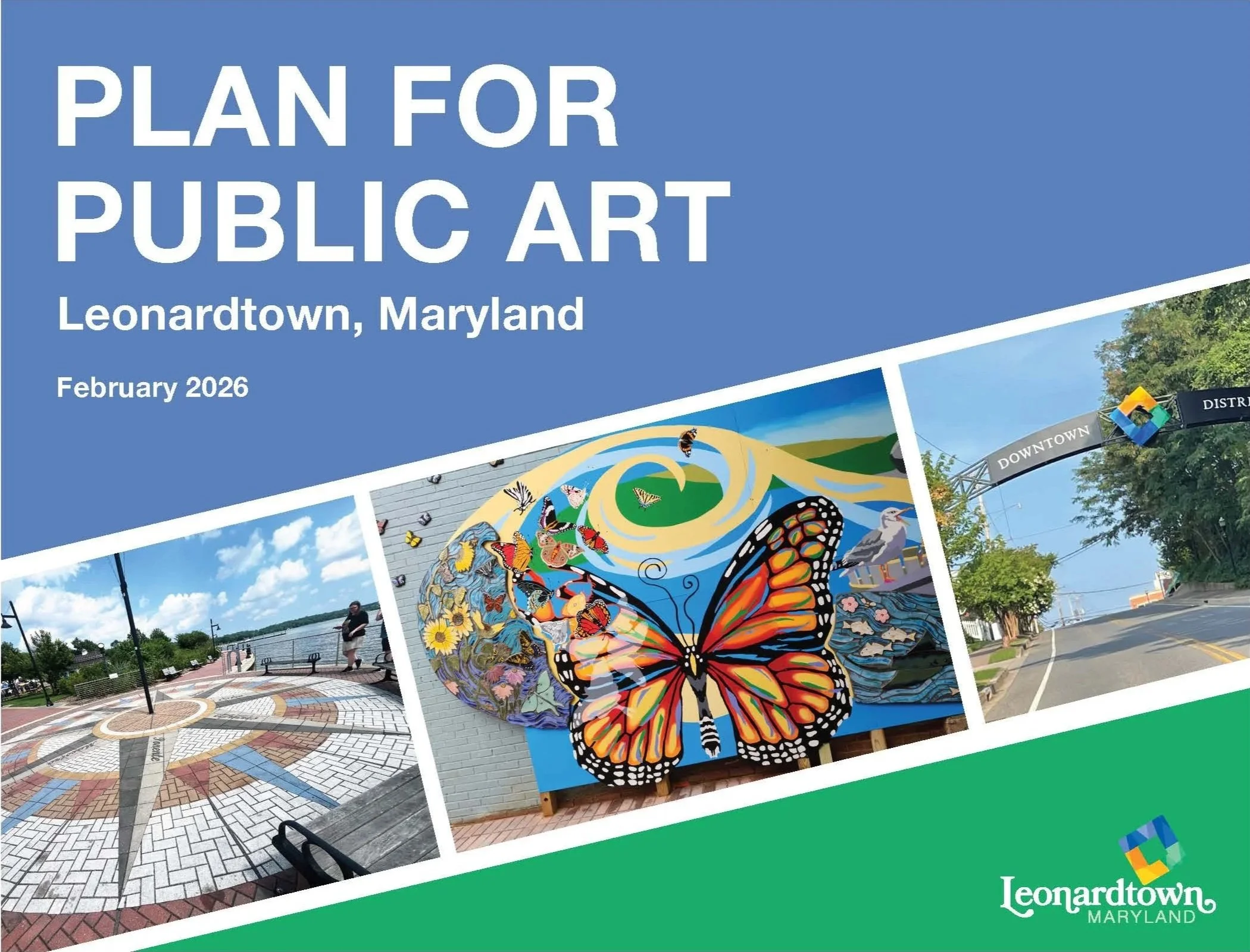
Leonardtown, Maryland was developing a public art master plan to guide future investment in public art, cultural programming, and creative placemaking. I collaborated with public art consultant Todd Bressi on the planning process, helping research the local creative ecosystem, engage artists and cultural leaders, identify opportunities, and shape the visual and narrative direction of the plan.
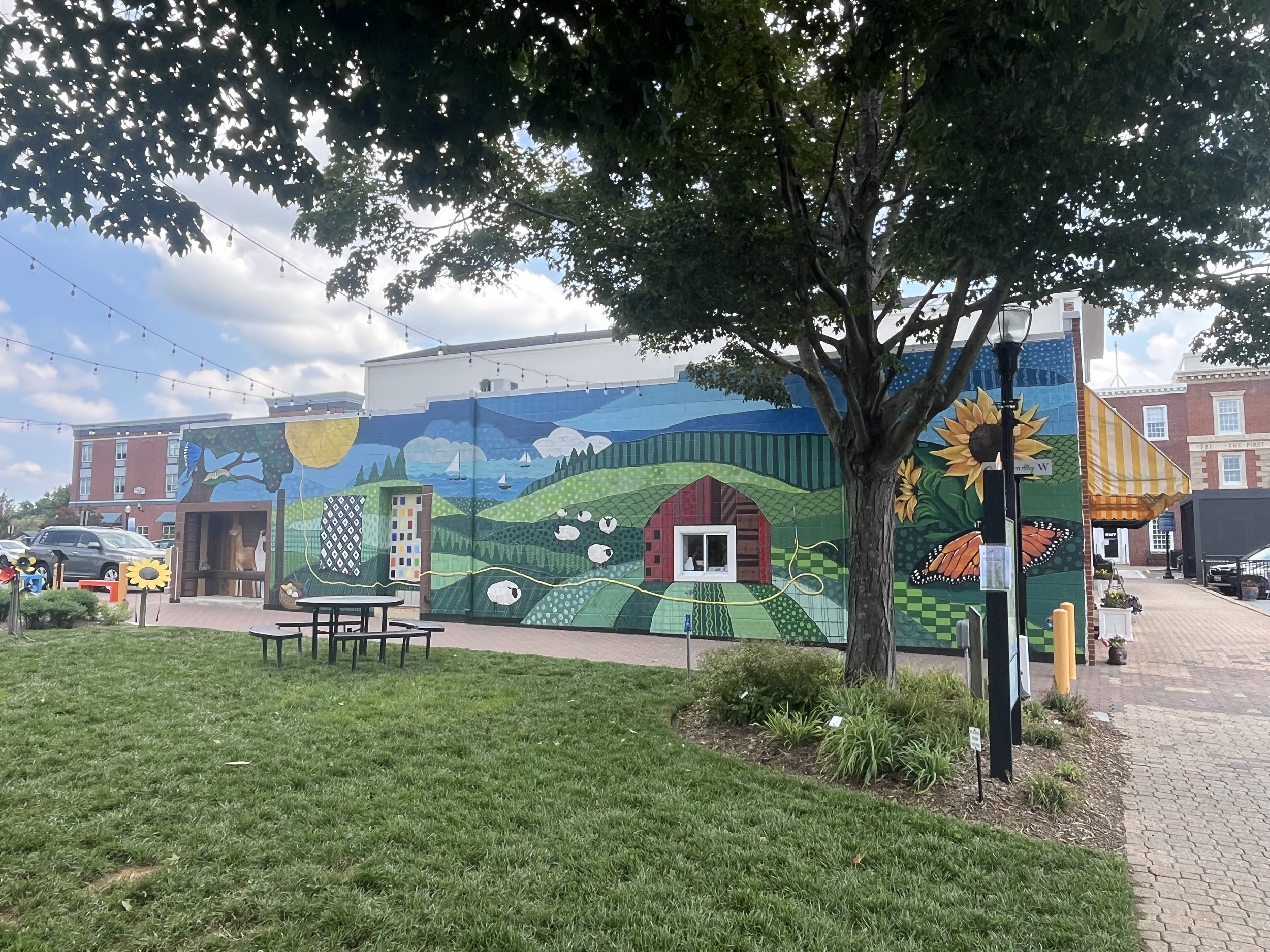
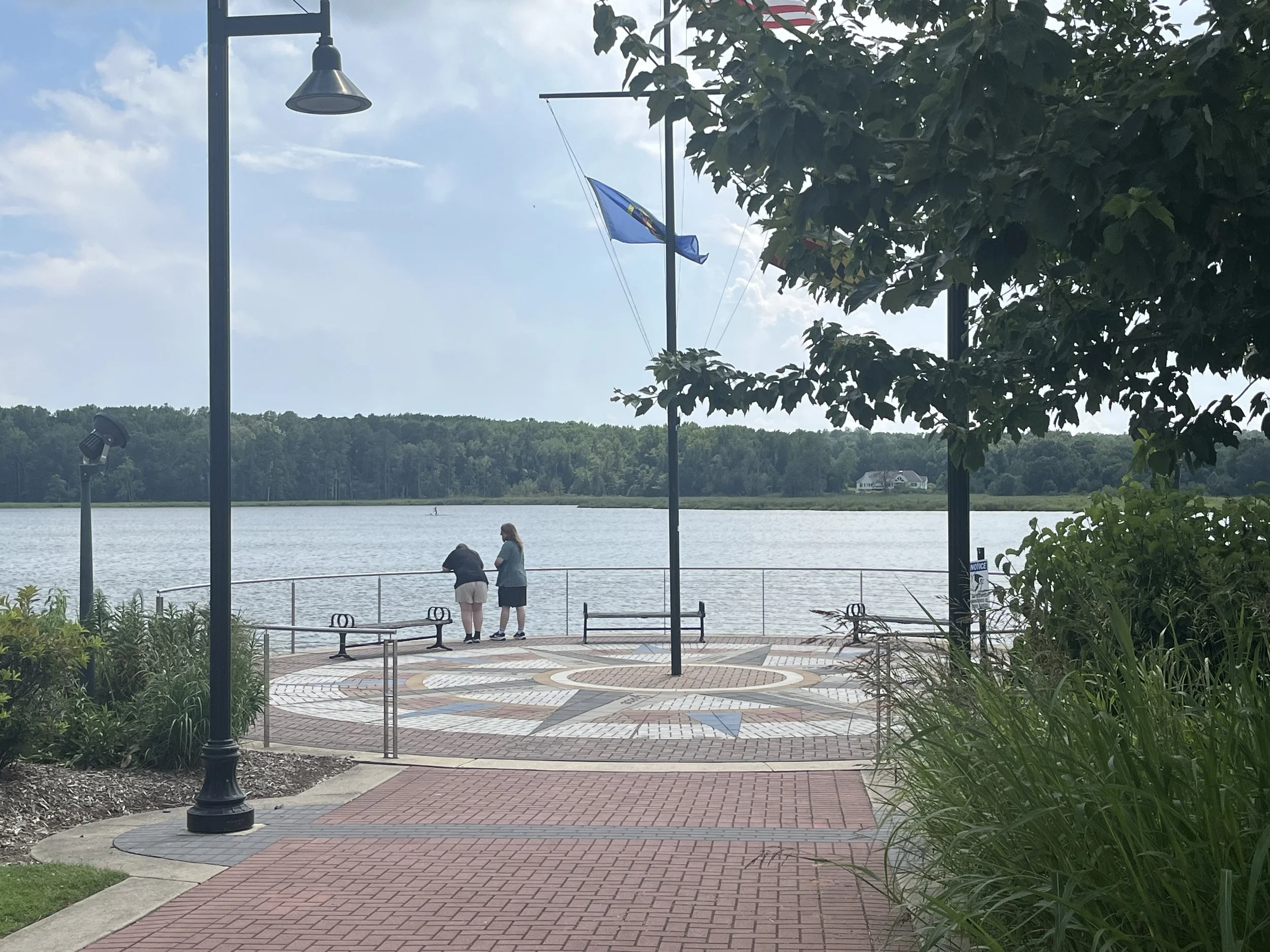
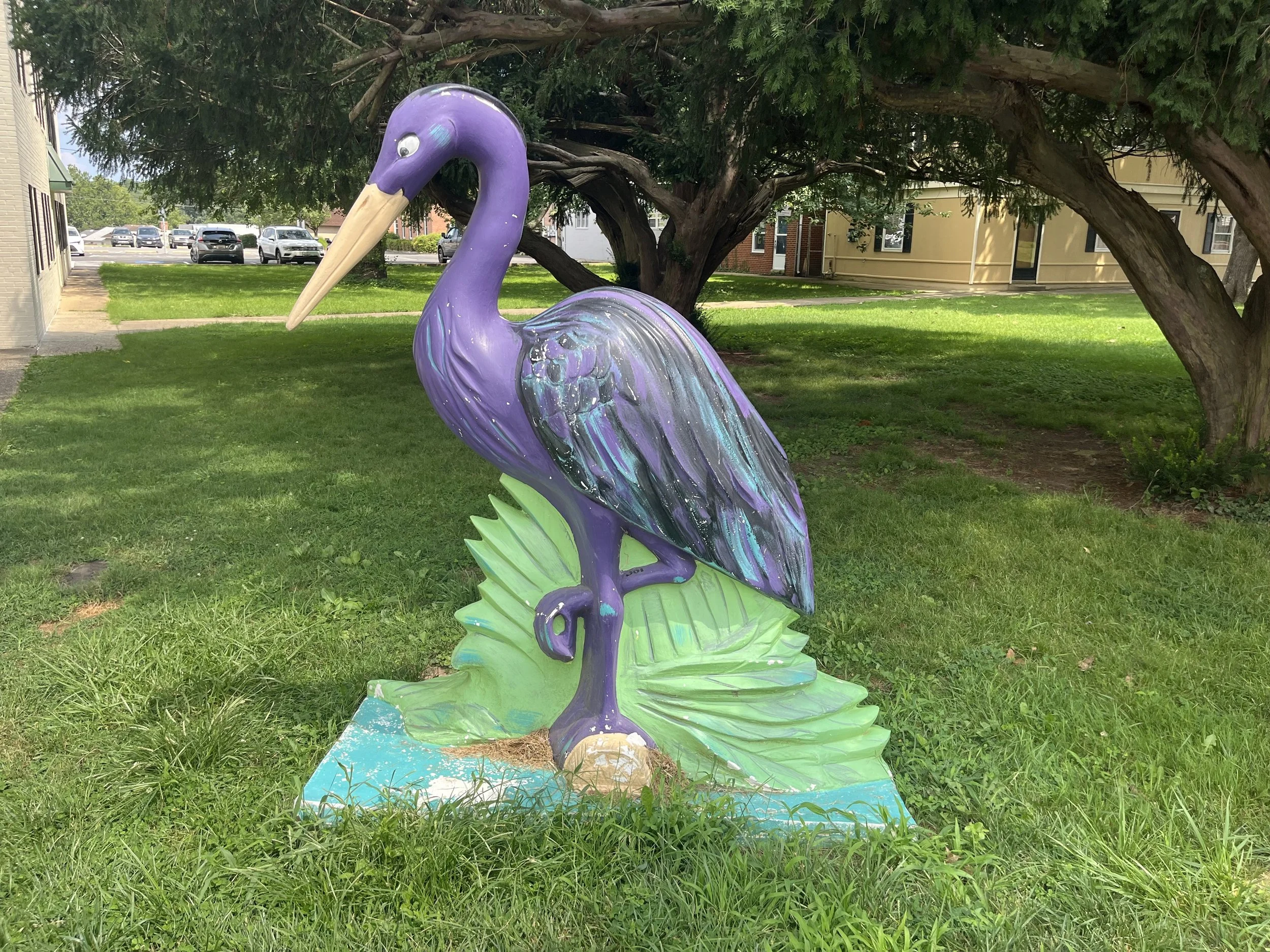
The work focused on understanding Leonardtown as a place: its waterfront, town square, historic character, arts community, local traditions, and the people already contributing to its cultural life.
My Role
I supported the project as a public art consultant, community arts researcher, and design collaborator. My work included:
Conducting artist and stakeholder interviews
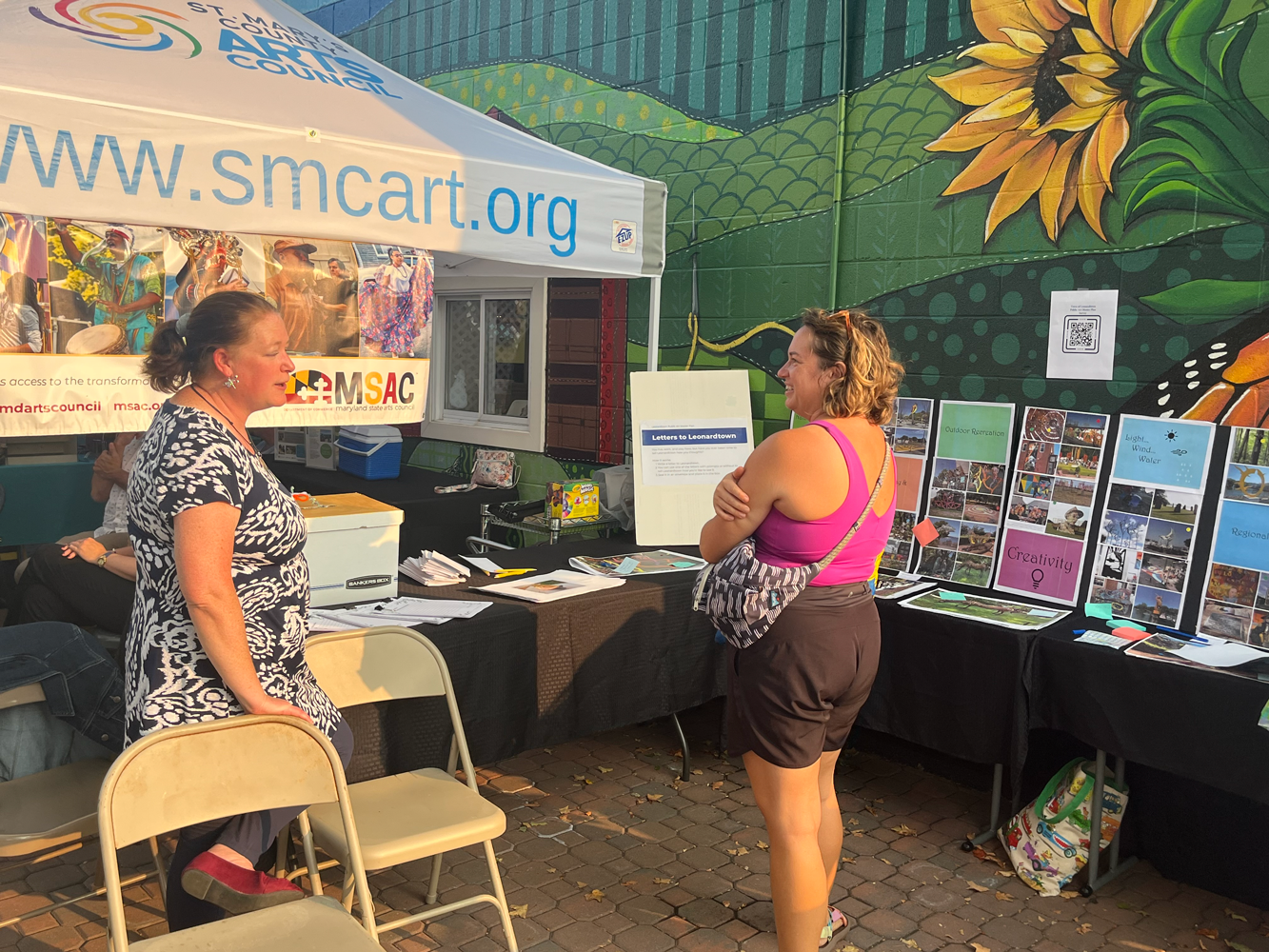
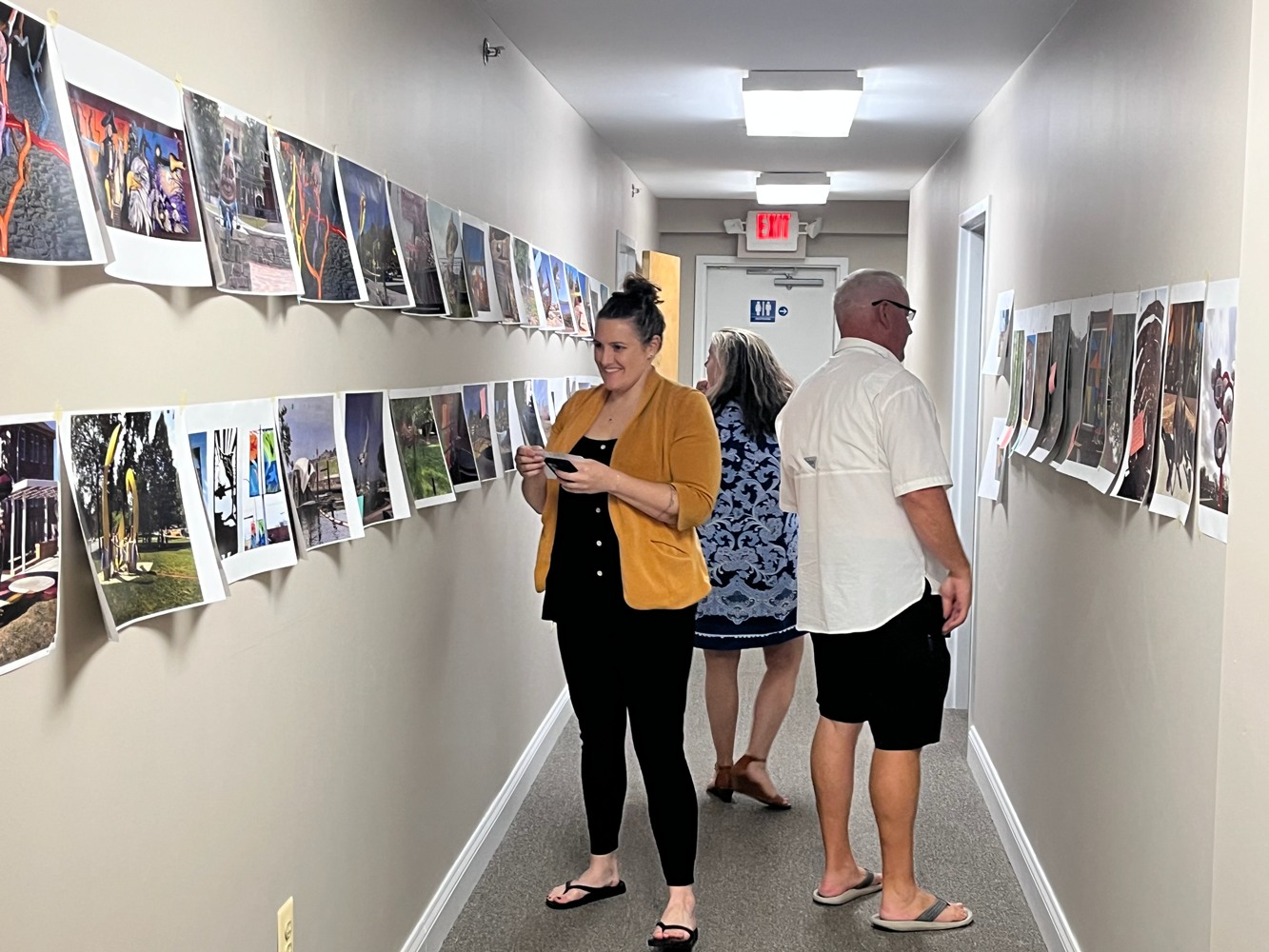
Participating in arts roundtables and site visits
Researching local artists, arts organizations, and cultural assets
Documenting themes, opportunities, and community priorities
Synthesizing findings into written reports
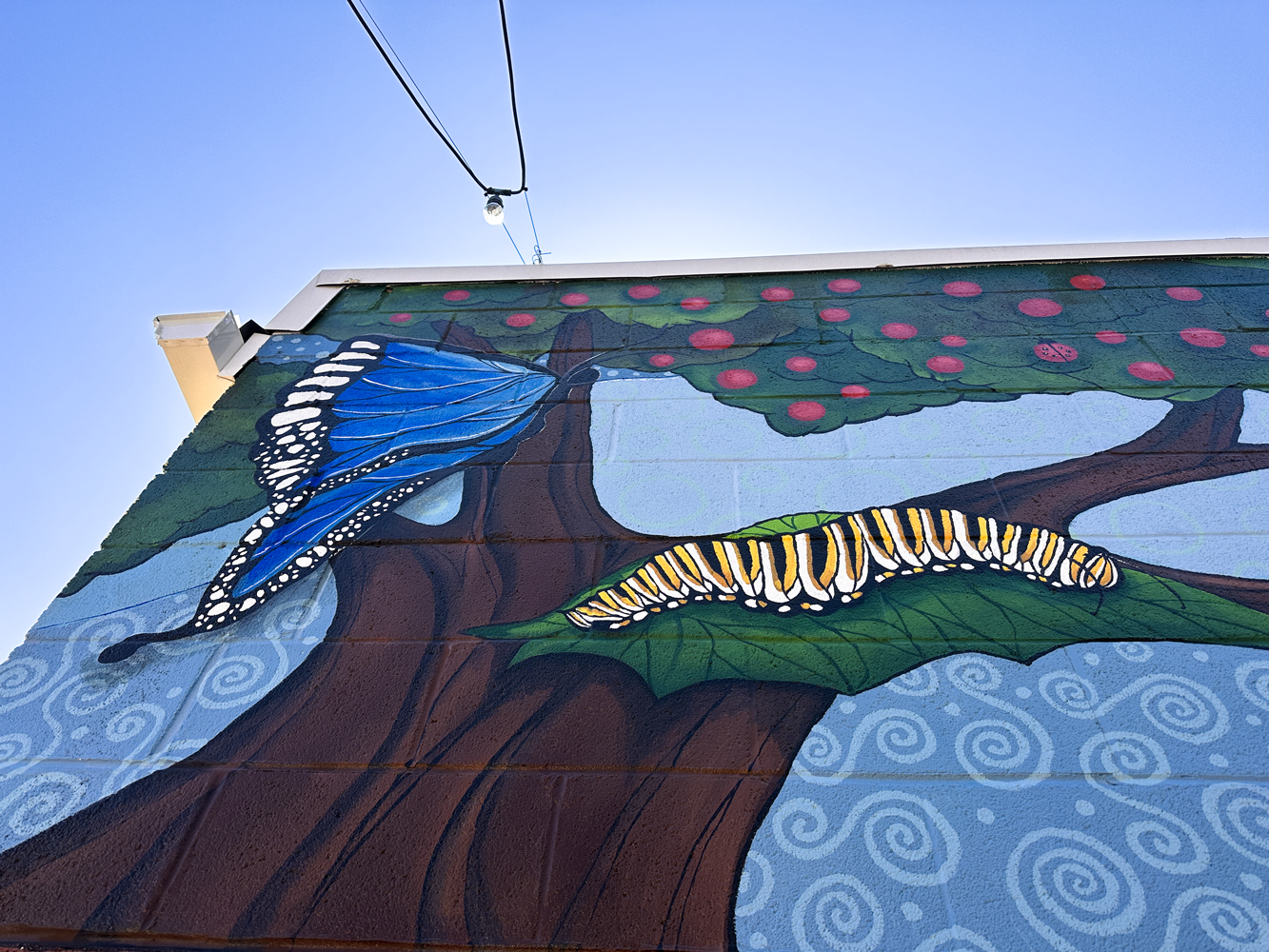
Identifying potential public art strategies beyond murals
Supporting the visual direction and design of planning materials
The Challenge
Leonardtown already had a strong arts presence, but the town needed a clearer framework for how public art could grow in a way that felt authentic, equitable, and connected to the community.
A key challenge was helping the town think beyond individual projects and toward a larger public art vision. The plan needed to honor what was already happening locally while also creating room for new forms of public art, new artist opportunities, and stronger connections between public spaces, cultural programming, and community identity.
Process
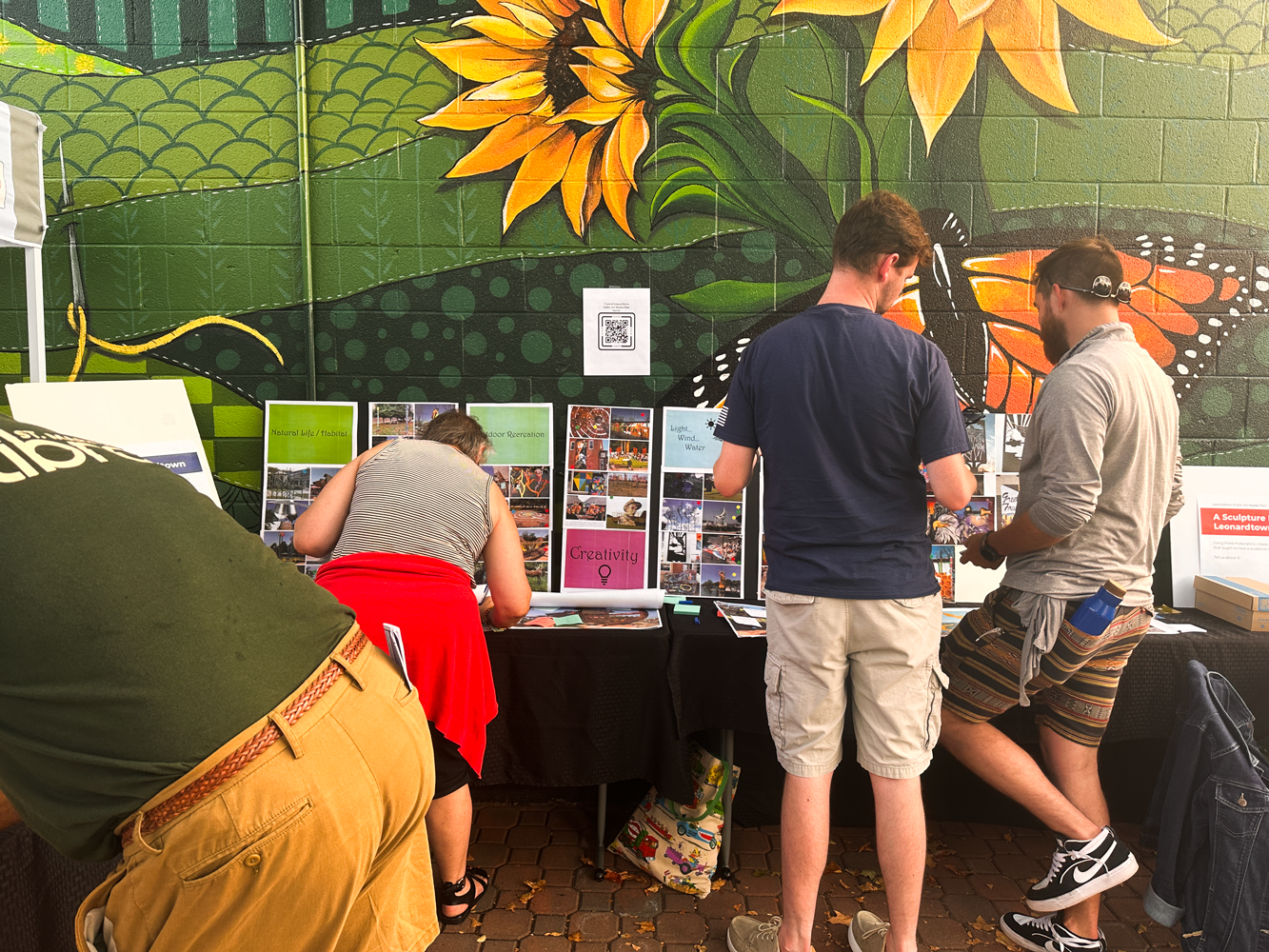
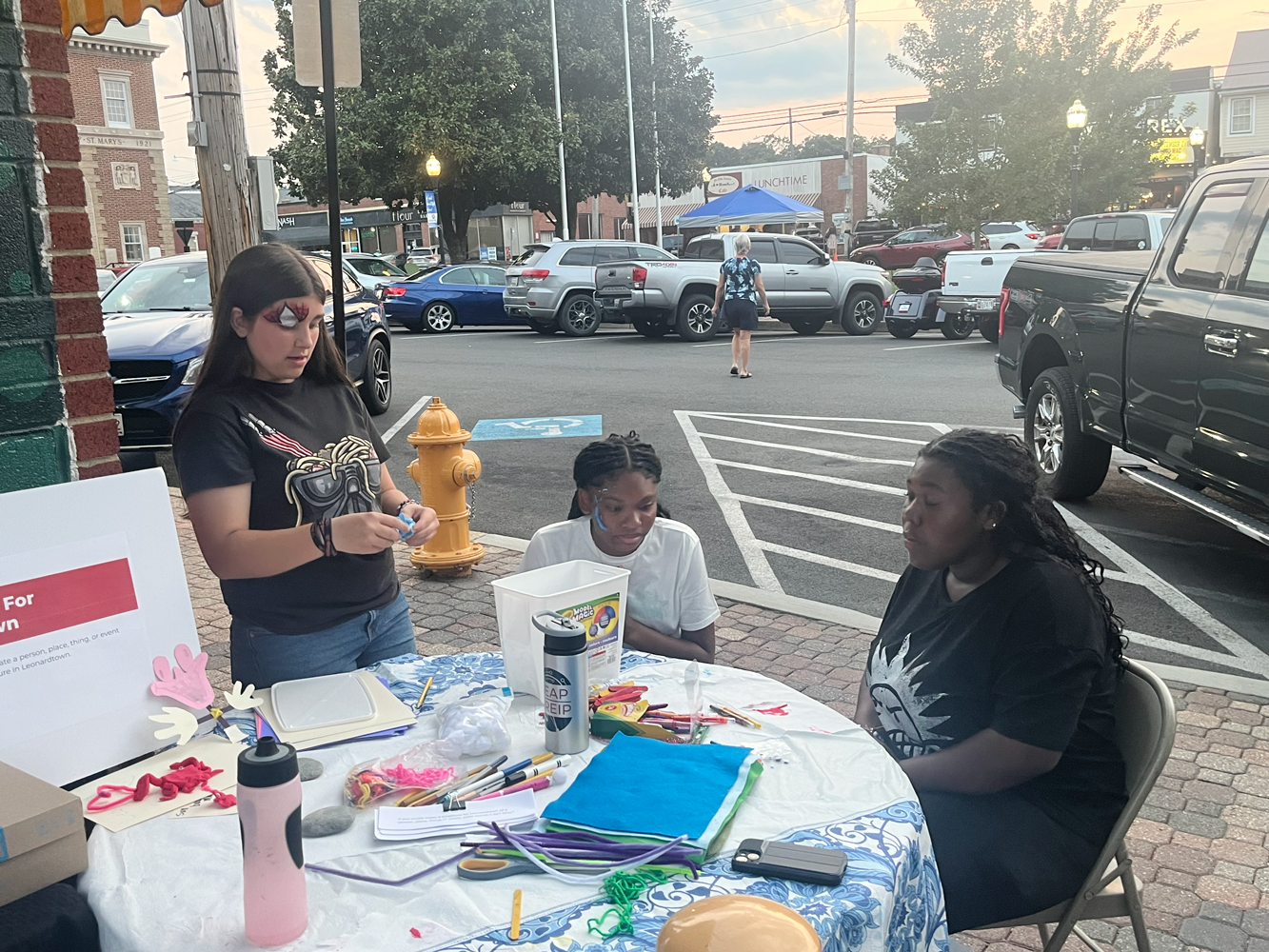
The research process combined interviews, roundtable conversations, site visits, and independent exploration of the town. I spoke with local artists, arts leaders, and community members to better understand the creative landscape and the opportunities artists saw for Leonardtown’s future.
I also spent time walking and observing Leonardtown’s public spaces, including the town square, waterfront, arts district, galleries, and surrounding areas. This helped ground the planning work in the physical experience of the town, not just in abstract goals.
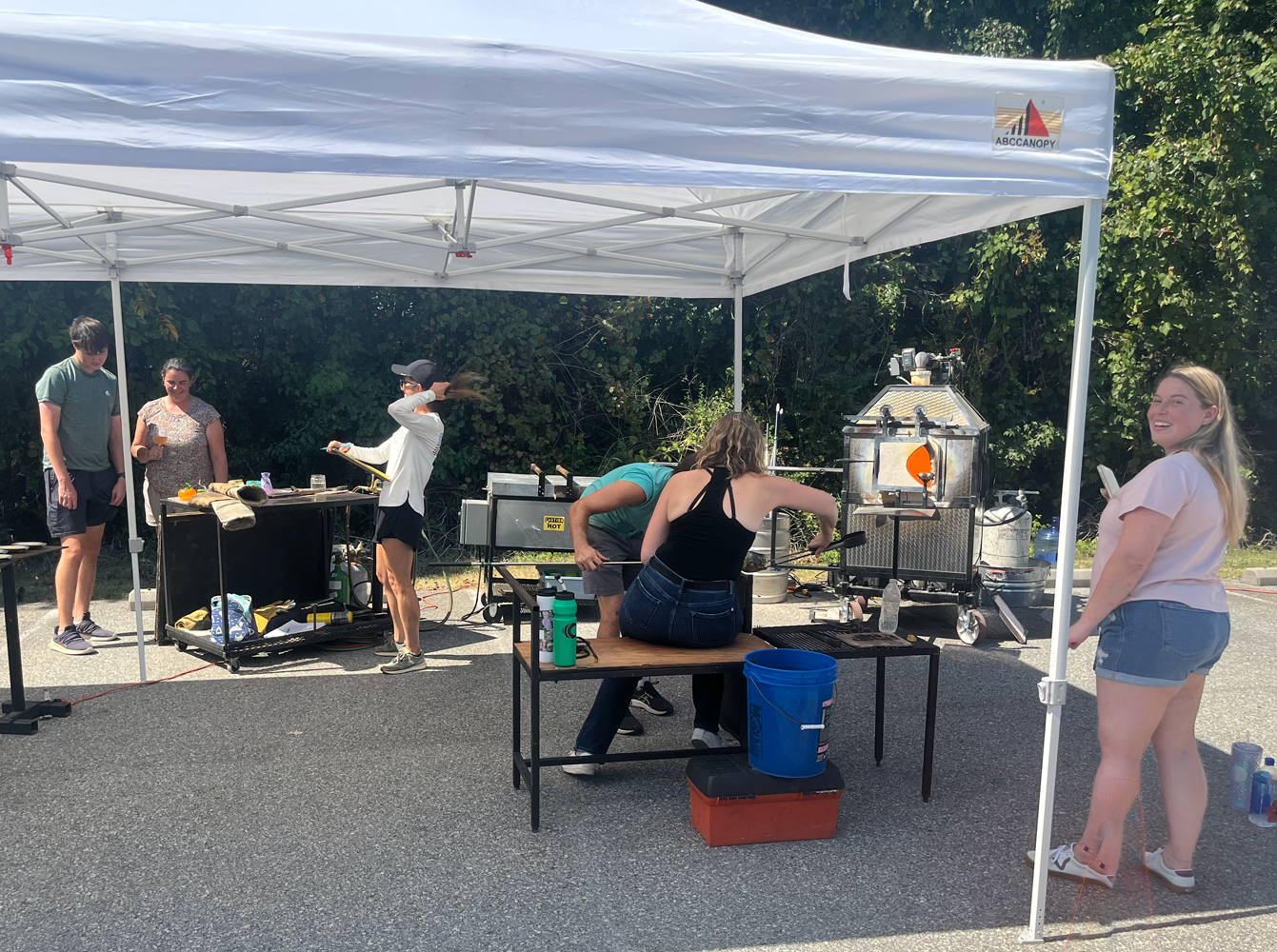
Through this process, several themes emerged: artists wanted more variety in public art opportunities, including sculpture, temporary work, interactive projects, fiber-based work, and artist residencies. There was also strong interest in fair compensation, transparent processes, and public art that reflected Leonardtown’s specific history, landscape, and community life.
Key Insights
The work revealed that Leonardtown’s public art future could build from several existing strengths:
A strong local arts community
Leonardtown has working artists, galleries, arts organizations, and creative leaders already invested in the town’s cultural life.
A meaningful sense of place
The town’s waterfront, square, historic architecture, agricultural history, and local traditions provide rich material for public art.
Interest in a wider range of art forms
Artists expressed interest in projects beyond murals, including sculpture, textiles, temporary installations, interactive work, and community-based projects.
Opportunities for artists to connect with civic life
The plan could help create pathways for artists to participate in shaping public space, community events, and the identity of Leonardtown.
Outcome
My work contributed to the research, community engagement, and narrative foundation for the Leonardtown Public Art Master Plan. The process helped clarify the town’s existing cultural assets, identify meaningful opportunities for future public art, and surface the needs and hopes of local artists.
The plan provides Leonardtown with a more intentional framework for public art: one that supports artists, strengthens community identity, and helps public spaces feel more connected, welcoming, and alive.
Why This Project Matters
This project reflects the kind of work I am most drawn to: work that connects artists, communities, and public spaces in thoughtful ways. It brought together research, listening, creative strategy, and design to help a town imagine how public art could support civic life.
For me, the most meaningful part of this work was listening closely to artists and community members, then helping translate what I heard into a plan that could guide real action.